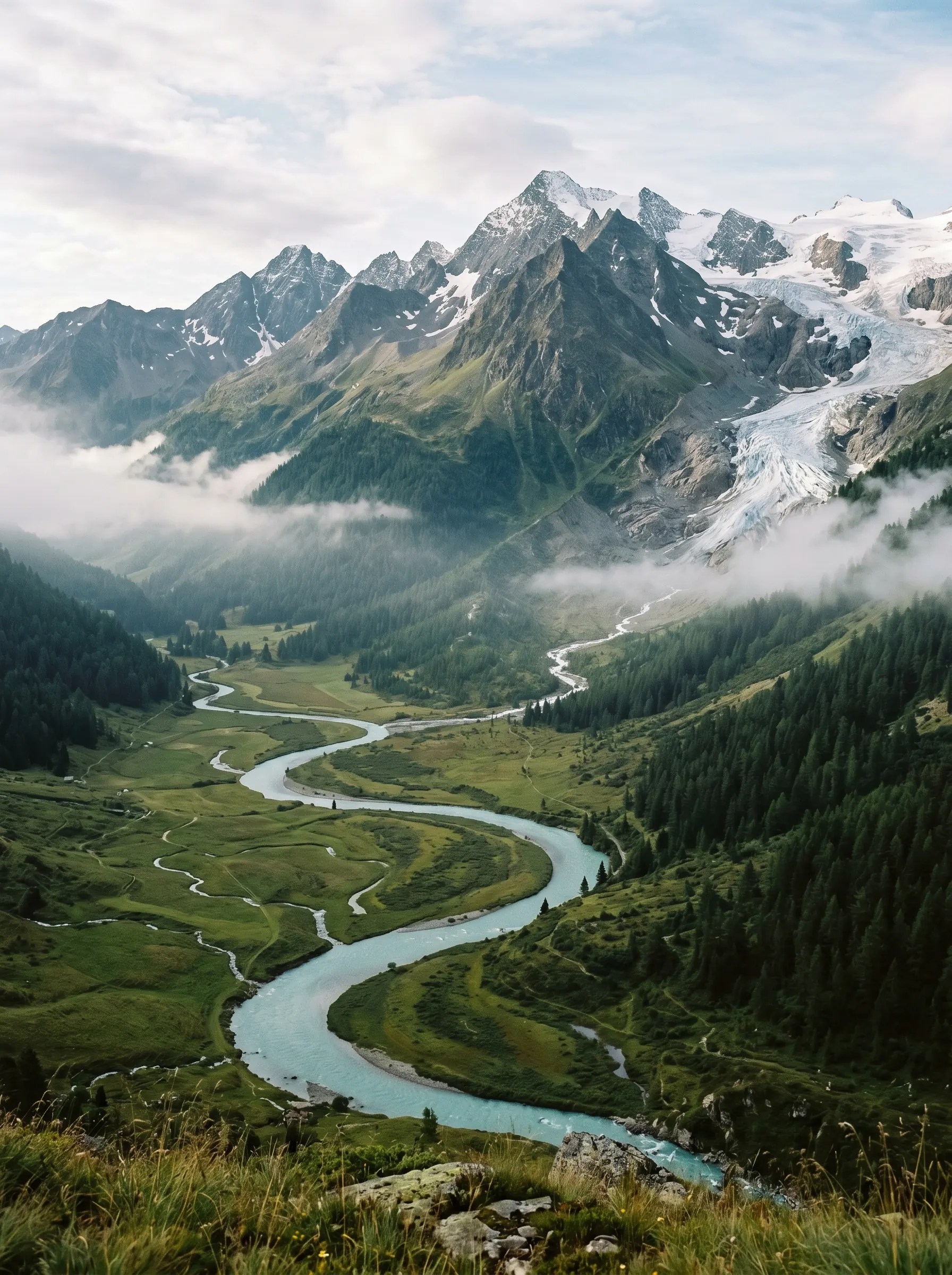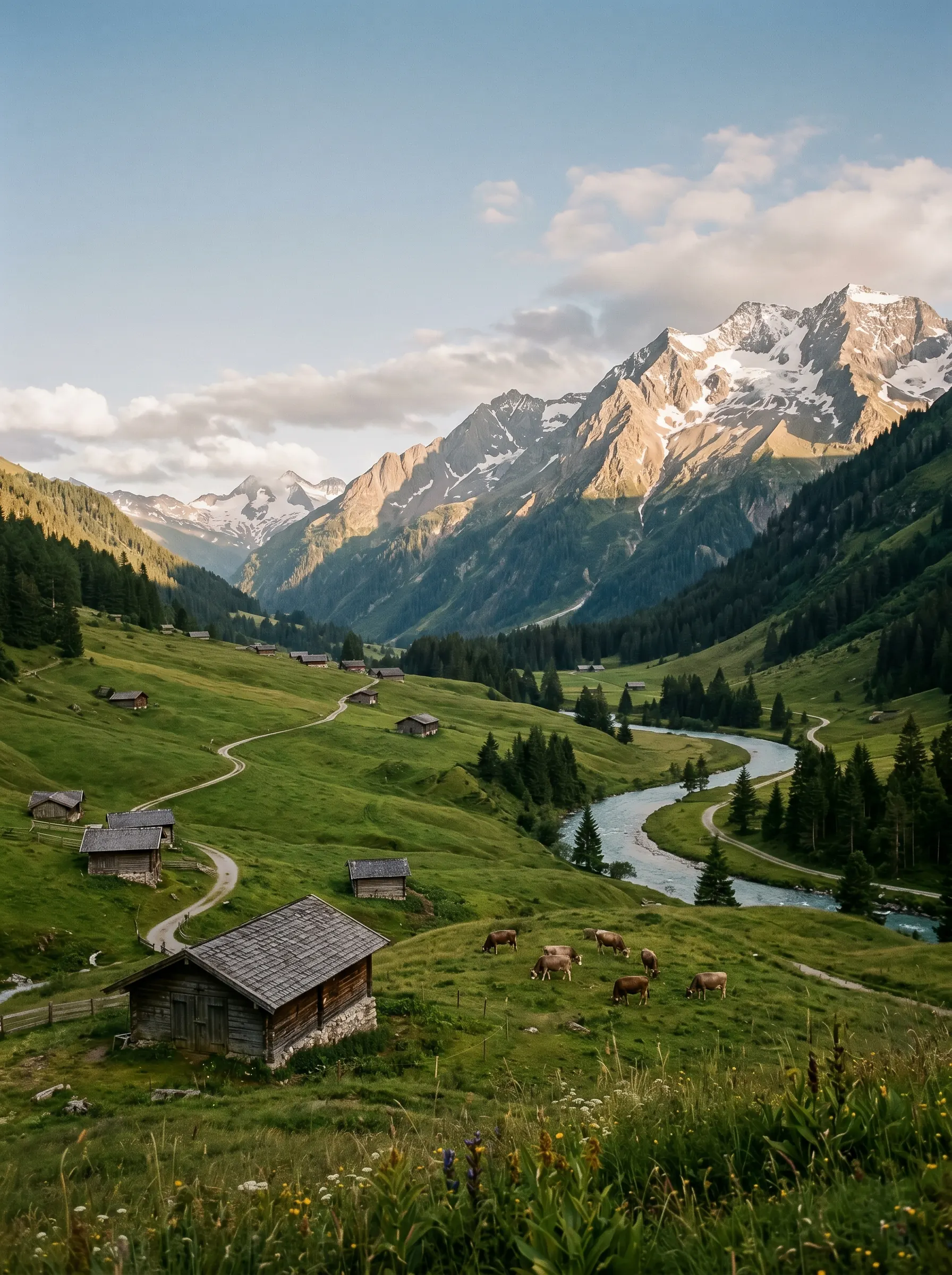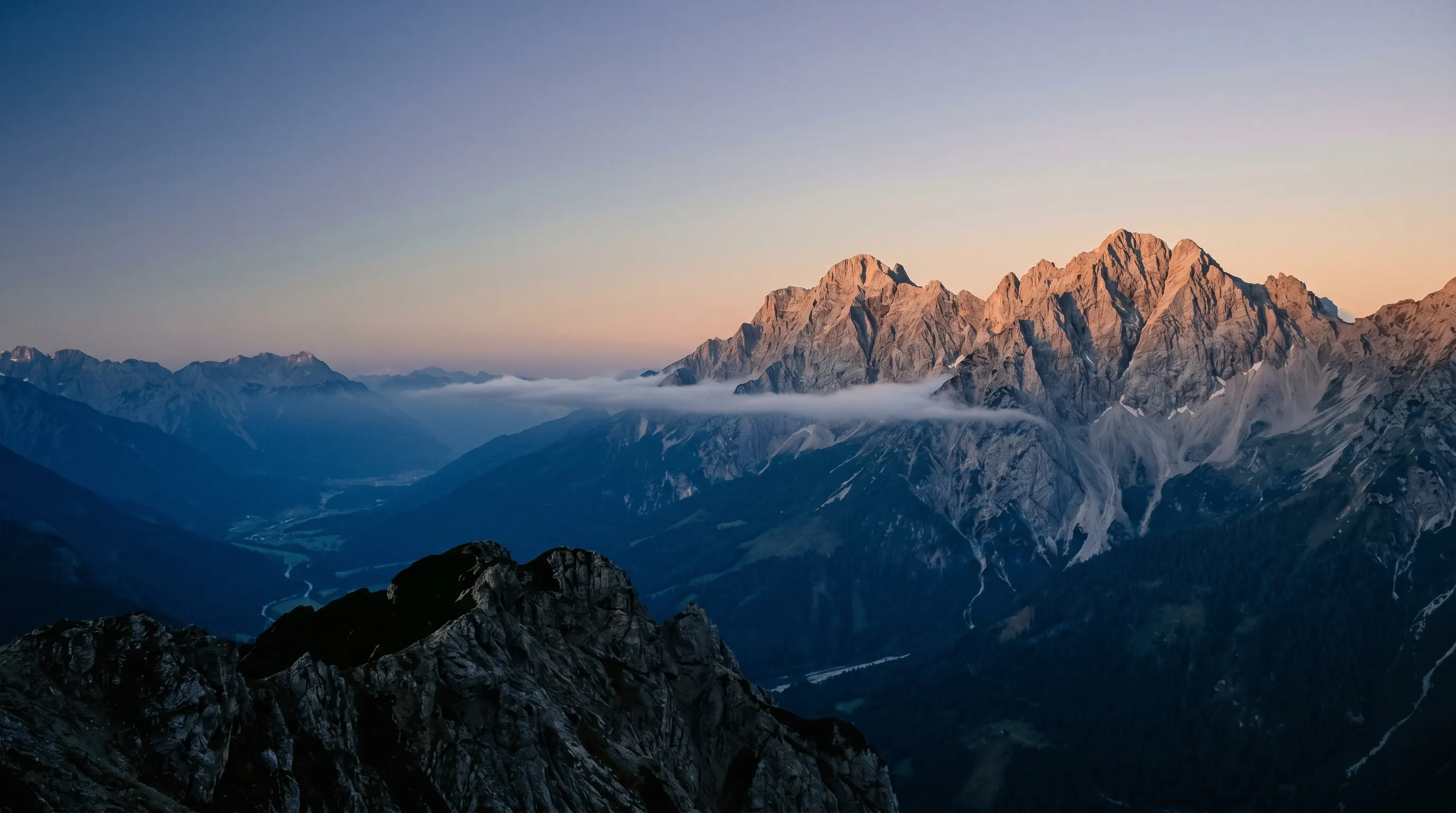
Limestone peaks of the Karwendel range at first light, Tyrol, Austria

Volume I · A field guide to the Austrian Alps

Visit
Tyrol.

Six glaciers. Five hundred and seventy-three summits above three thousand metres. One quietly ordered region in the heart of the Alps. This is how to plan an arrival you will remember.

Scroll to continue § 01 / 09

§ 01 — Prologue

Read · 2 min

Tyrol is not a city you visit. It is a geography you enter — a basin of glaciers, a corridor of valleys, a quiet capital with eight centuries of memory. Plan it slowly, and it will keep you longer than you intended.

The Editors · Innsbruck

§ 02 — The Atlas

Four corners,
one region.

A short editorial tour of the four destinations most travellers anchor their trip around — each with its own light, its own grammar, its own reason to linger.

01 N 47°16′  ·  574 m

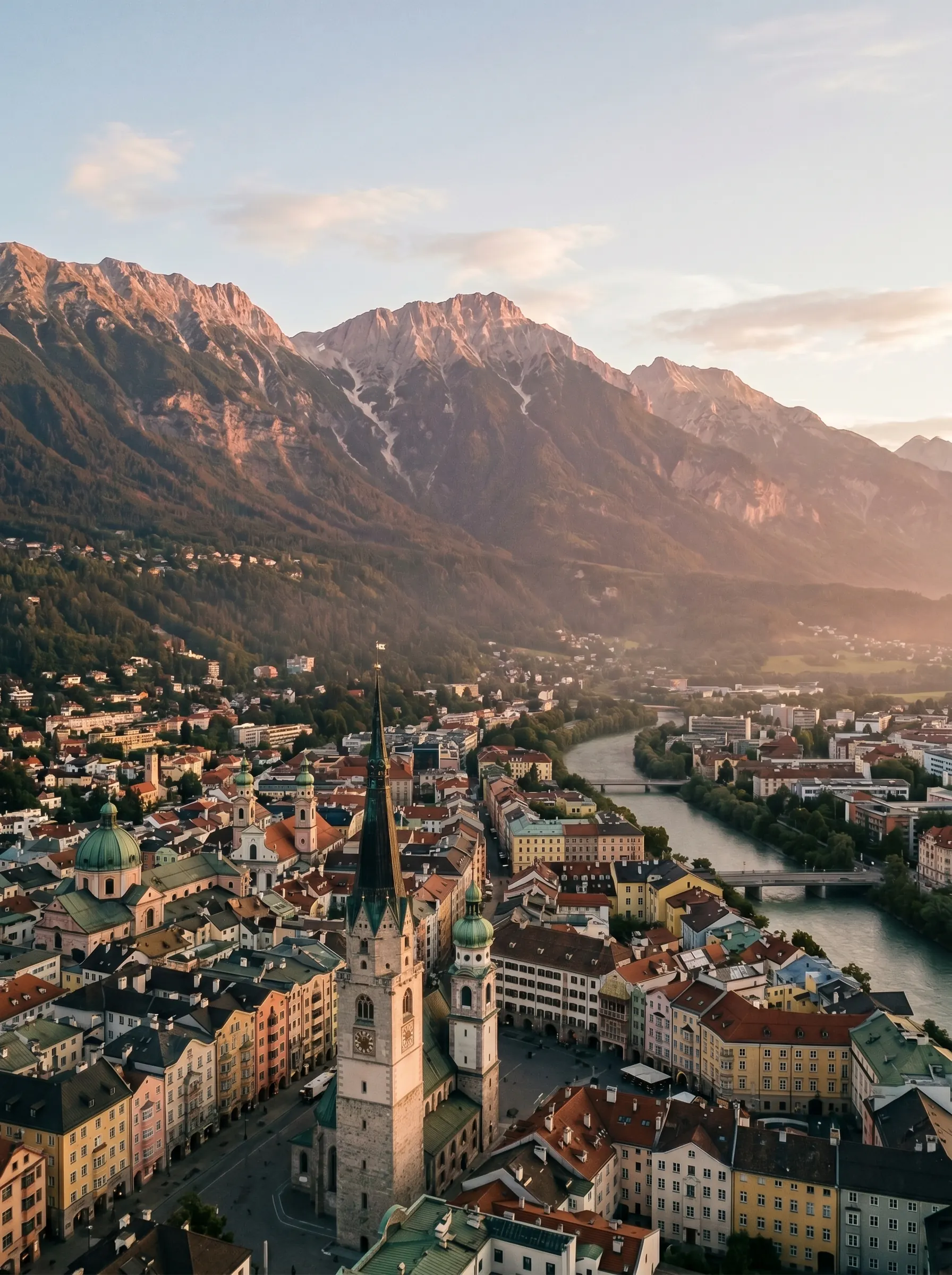
Innsbruck

Capital · Baroque · Year-round

Eight centuries of imperial history pressed against a wall of two-thousand-metre limestone. Step out of the Altstadt, ride a funicular for nine minutes, and you are above the treeline. No other European capital is quite so abruptly alpine.

Best for

First arrival, culture, day-hikes

Stay

2–3 nights
02 N 47°27′  ·  762 m

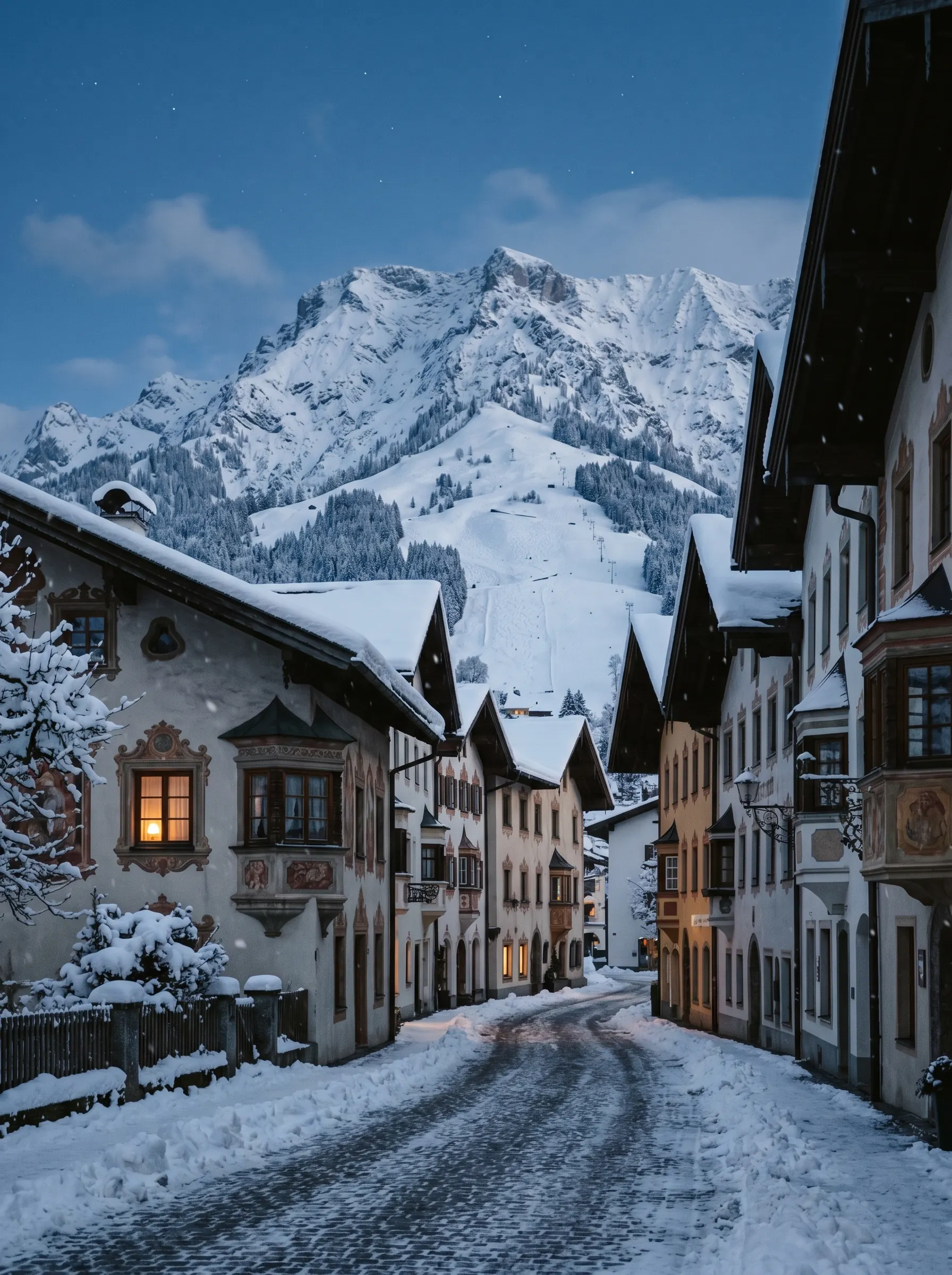
Kitzbühel

Medieval · Ski legend · Refined

A frescoed old town that became a winter myth. Kitzbühel is where the Hahnenkamm descent is run each January and where summer trails climb out of vineyards into pine. It is small enough to walk in twenty minutes — and exact enough to remember for years.

Best for

Ski week, slow weekends

Stay

3–5 nights

03 N 46°59′  ·  1 377 m

Ötztal

Glacial · Wild · Adventure

Sixty-five kilometres of valley boring straight into the highest reaches of the Ötztaler Alpen. Where Ötzi the Iceman emerged from a glacier in 1991. Sölden, Obergurgl, Vent — austere, exhilarating, and outrageously high.

Best for

Glacier skiing, alpinism

Stay

4–7 nights

04 N 47°10′  ·  633 m

Zillertal

Pastoral · Family · All-season

A long pastoral valley that opens into four separate side-valleys, each with its own ski area and summer high-route. Cattle bells in June. The Hintertux glacier in any month of the year. The most variety per kilometre in Tyrol.

Best for

Families, variety, summer hikes

Stay

5–7 nights

§ 03 — The Seasons

Two halves of
the same mountain.

Tyrol does not have an off-season. The same valley that fills with cattle and wildflowers in July empties into deep powder in February — and rewards the traveller who learns both.

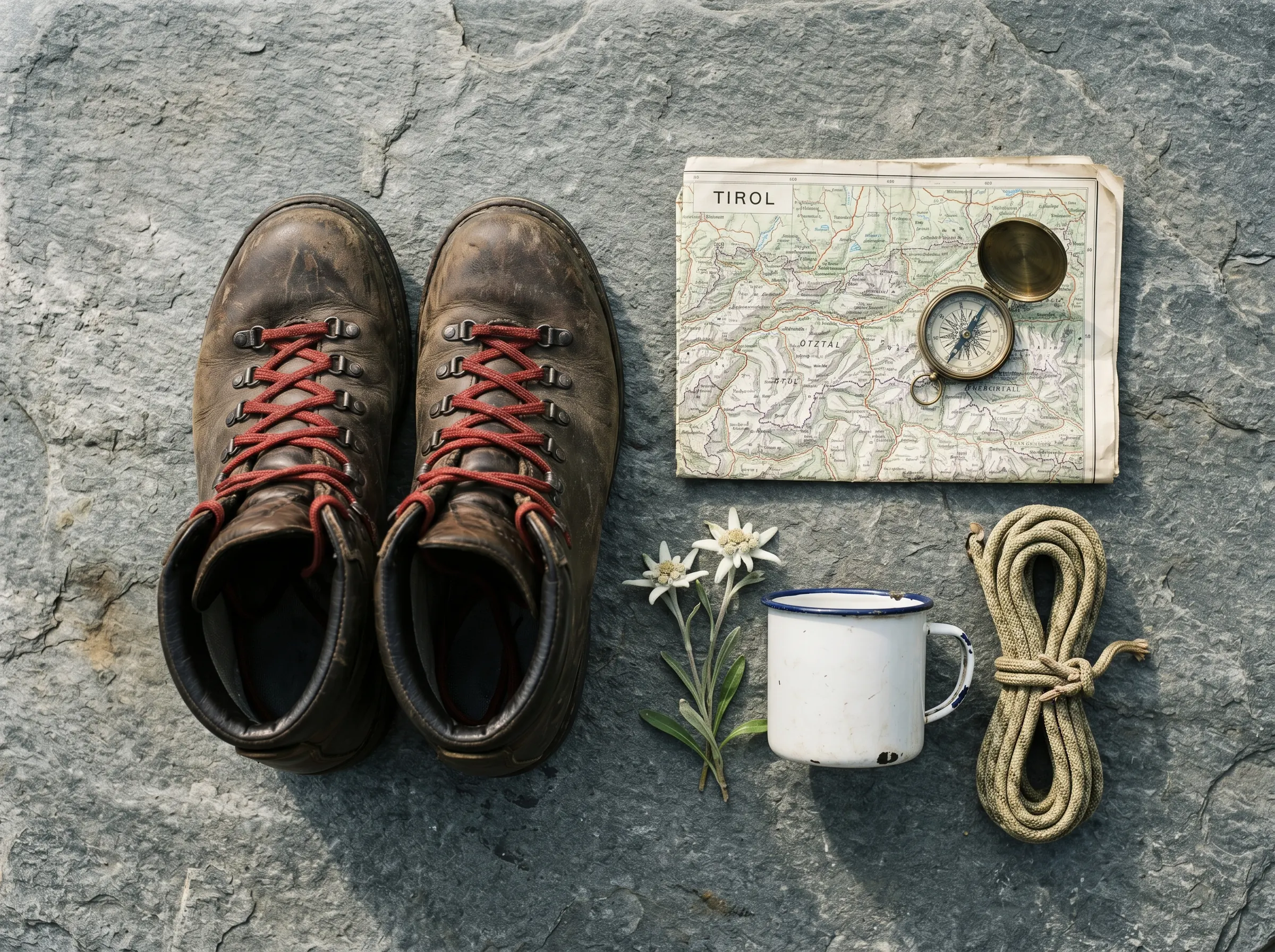
Vintage hiking gear, map, compass and edelweiss laid on Tyrolean alpine slate

Jun — Sep · 18°/8°C

Summer

  1. 01 Stage of the Adlerweg, the eagle's path 8 days
  2. 02 Swim in the Achensee, Tyrol's largest lake 22°C
  3. 03 A night at a Hütte — alpine refuge dining 2 200 m
  4. 04 Mountain biking the Singletrails of Sölden All levels
  5. 05 A glass of Stiegl beneath the Goldenes Dachl Innsbruck
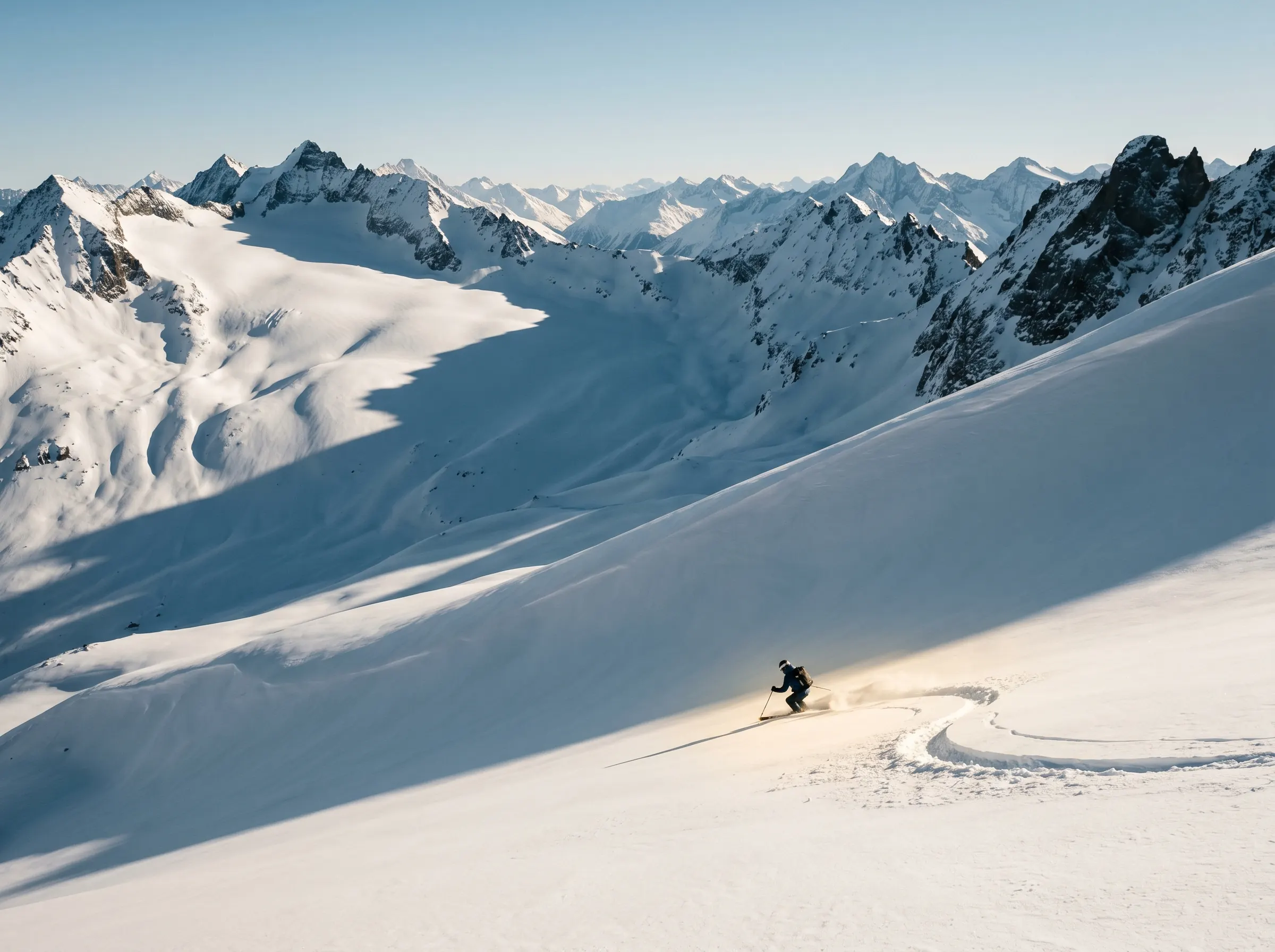
A lone skier carving an S-curve through untouched powder at first light in Tyrol

Dec — Apr · −2°/−12°C

Winter

  1. 01 Ski the Ski-Welt or the Arlberg powder bowls 9 regions
  2. 02 Watch the Hahnenkamm Streif at Kitzbühel January
  3. 03 Ride the Hintertux glacier, open year-round 3 250 m
  4. 04 Cross-country track from Seefeld to Leutasch 245 km
  5. 05 Christkindlmarkt evenings in old Innsbruck Advent

§ 04 — The Field Guide

Everything you need
to arrive prepared.

Question 01

When to come?

Late June through September for hiking and cool valleys. December through March for skiing and the famous powder. Avoid the first week of January if you would like a quiet town — that is when Kitzbühel hosts the world's most-watched downhill race.

Question 02

How to get in?

Innsbruck's airport puts you in the Altstadt in fifteen minutes. Otherwise the ÖBB Railjet from Munich, Zürich or Vienna is direct, scenic and usually faster than driving. A car is only useful if you intend to roam between valleys.

Question 03

How long for Tyrol?

A weekend covers Innsbruck. Five days lets you anchor in one valley. A week is the sweet spot — long enough to know one mountain by heart and still ride the Railjet to a second region for contrast.

Specimen Itinerary

Seven days,
edited.

A balance of city and altitude, designed to be reordered for any season.

  1. D 01

    Arrive in Innsbruck

    Settle in, walk the Altstadt, dinner in Maria-Theresien-Straße, early night.

  2. D 02

    Up the Nordkette

    Funicular from town centre to 2 256 m. A short ridge walk with the city directly below your boots.

  3. D 03

    Train to the Zillertal

    Switch to the historic Zillertalbahn at Jenbach. Check into a chalet near Mayrhofen.

  4. D 04

    Hintertux glacier

    A morning on snow at 3 250 m, an afternoon in the village.

  5. D 05

    Hütte to hütte

    Cable car up, ridge traverse, descent to a refuge. Sleep two thousand metres above where you started.

  6. D 06

    Across to Kitzbühel

    A short rail leg east, a slow afternoon among the frescoed houses.

  7. D 07

    Return through Innsbruck

    Last coffee at Café Munding. The Railjet pulls out at 16:14.

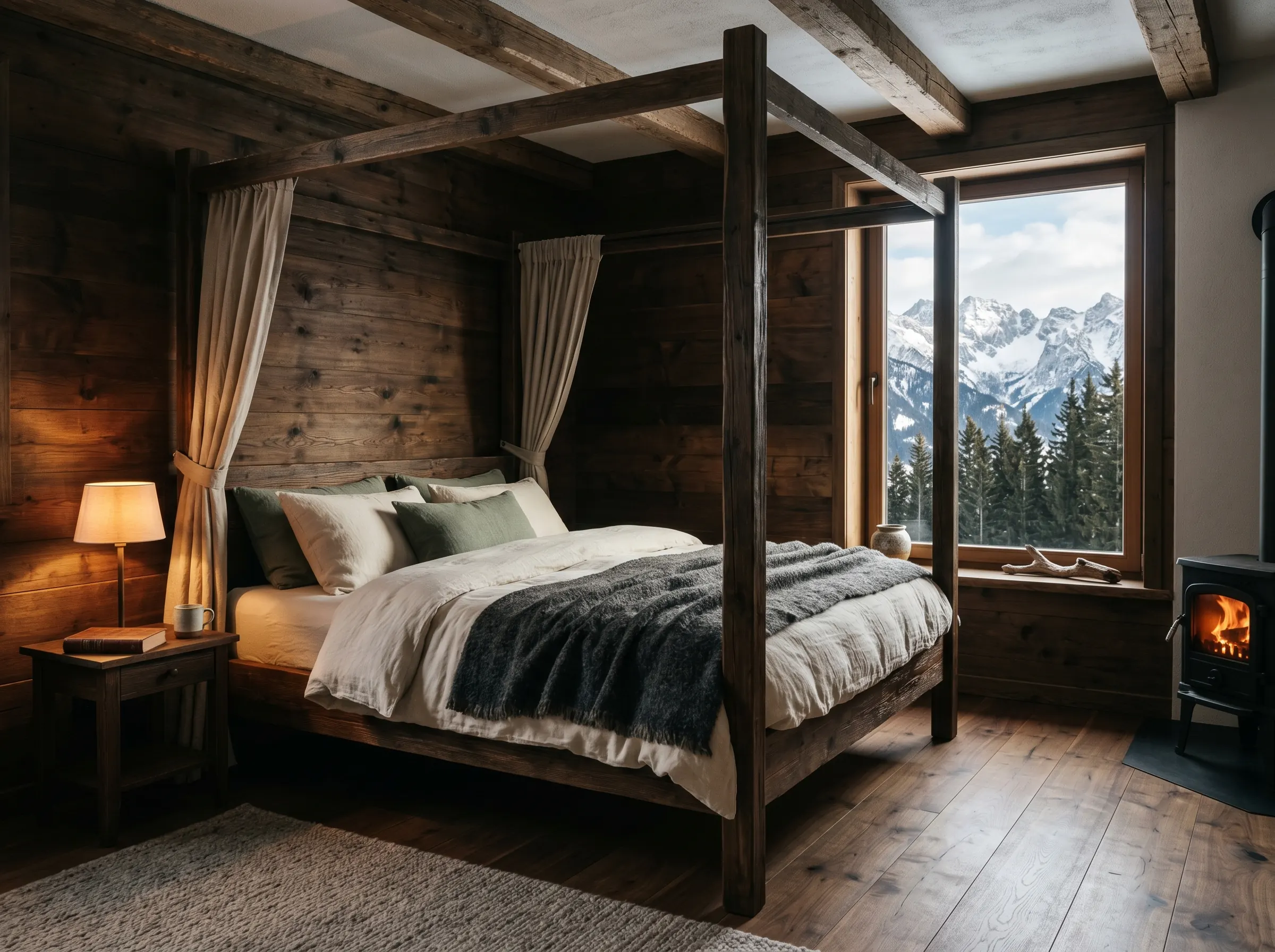
A timber alpine chalet bedroom in Tyrol with a window framing snow-capped peaks
Plate V · A chalet above Mayrhofen

§ 05 — Shelter

Where you
sleep matters.

A trip to Tyrol is half-defined by the room you return to in the evening. Choose a chalet for solitude, a Stadthotel for early-morning espresso, or a high refuge for the kind of silence you only find above two thousand metres.

  • A. Independent timber chalets — from € 240 / night
  • B. Family-run mountain hotels — from € 180 / night
  • C. Alpine huts (Hütten) — from € 55 / dorm bed
  • D. Innsbruck design hotels — from € 160 / night
Browse curated stays

§ 06 — Field Notes

Questions, answered.

Q. 01

When is the best time to visit Tyrol?

For hiking and lakes: late June through mid-September. For skiing: January through early March, when the snow is most reliable. For empty trails and fair prices: shoulder weeks in May and October.

Q. 02

Do you need a car in Tyrol?

No. The ÖBB rail and PostBus network reach almost every village, ski lift and trailhead. Many resorts include public transport in your guest card. A car is convenient only if you are crossing valleys or arriving very late.

Q. 03

How many days do you really need?

A long weekend works for Innsbruck alone. Five days is enough to base in one valley. Seven days will let you combine two regions and still feel unhurried — our recommended minimum for a first visit.

Q. 04

Is Tyrol expensive?

Less than Switzerland, more than the Italian Dolomites. A comfortable mid-range trip works out at €120–180 per person per day, including stays, lifts and dinner. Mountain huts and rail passes lower this considerably.

Q. 05

Is it suitable for families?

Among the most family-friendly regions in the Alps. The Zillertal and the Wilder Kaiser are designed around children, with cable cars, themed trails, alpine pools and gentle ski schools at every resort.

Q. 06

What should you pack?

Layers in every season. Mountain weather changes quickly: a light shell, warm mid-layer, sturdy footwear with grip, and proper sunglasses are non-negotiable. Bring less than you think — laundry exists everywhere.

§ 07 — Coda

The mountains are in no hurry. Neither, at the end of seven days here, are most travellers.

Editorial
Independent guide
Office
Innsbruck, Tyrol
Updated
Jun 2026
No paywall
Reader-supported